
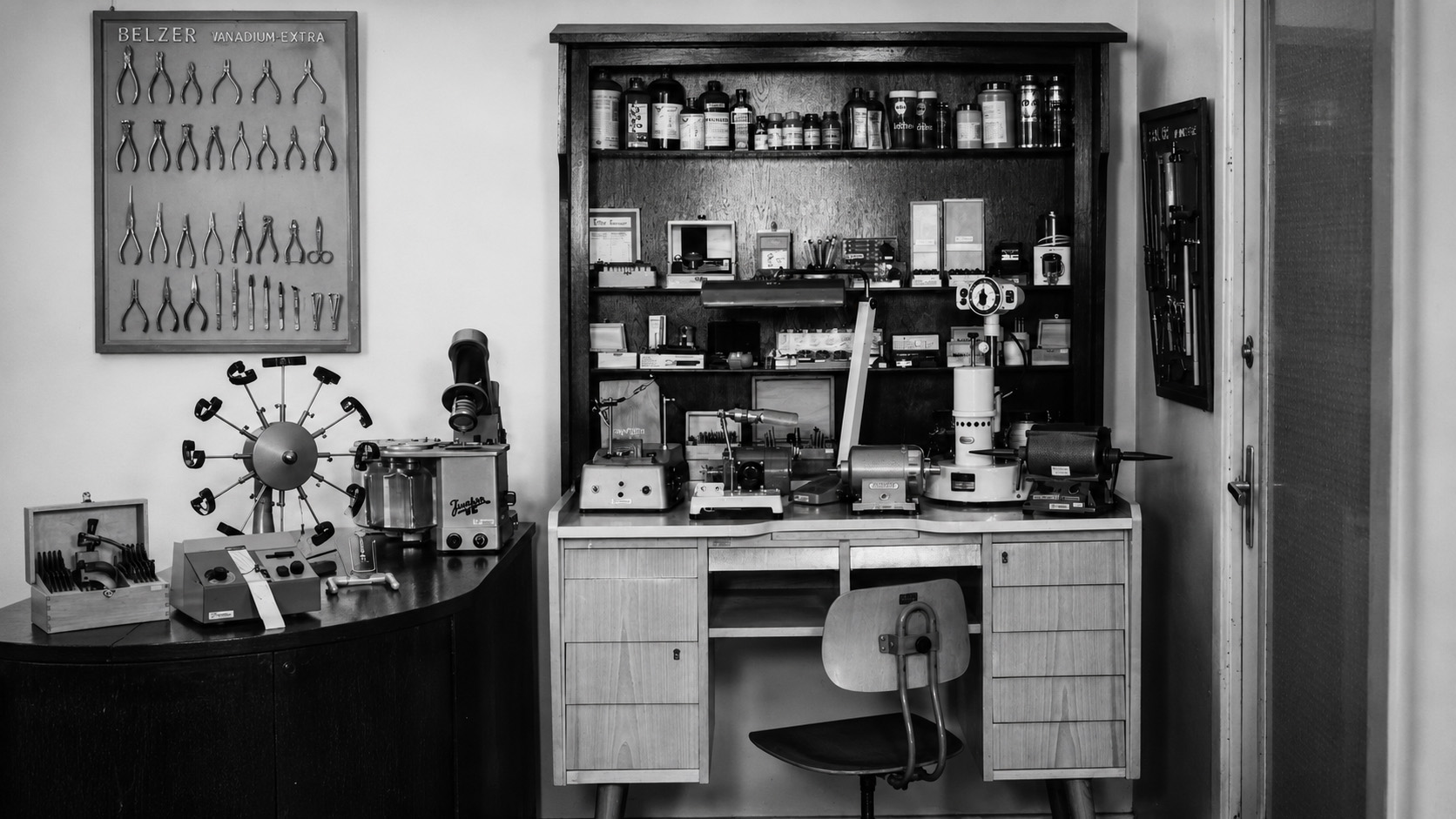
Going Train & Motive Power
-
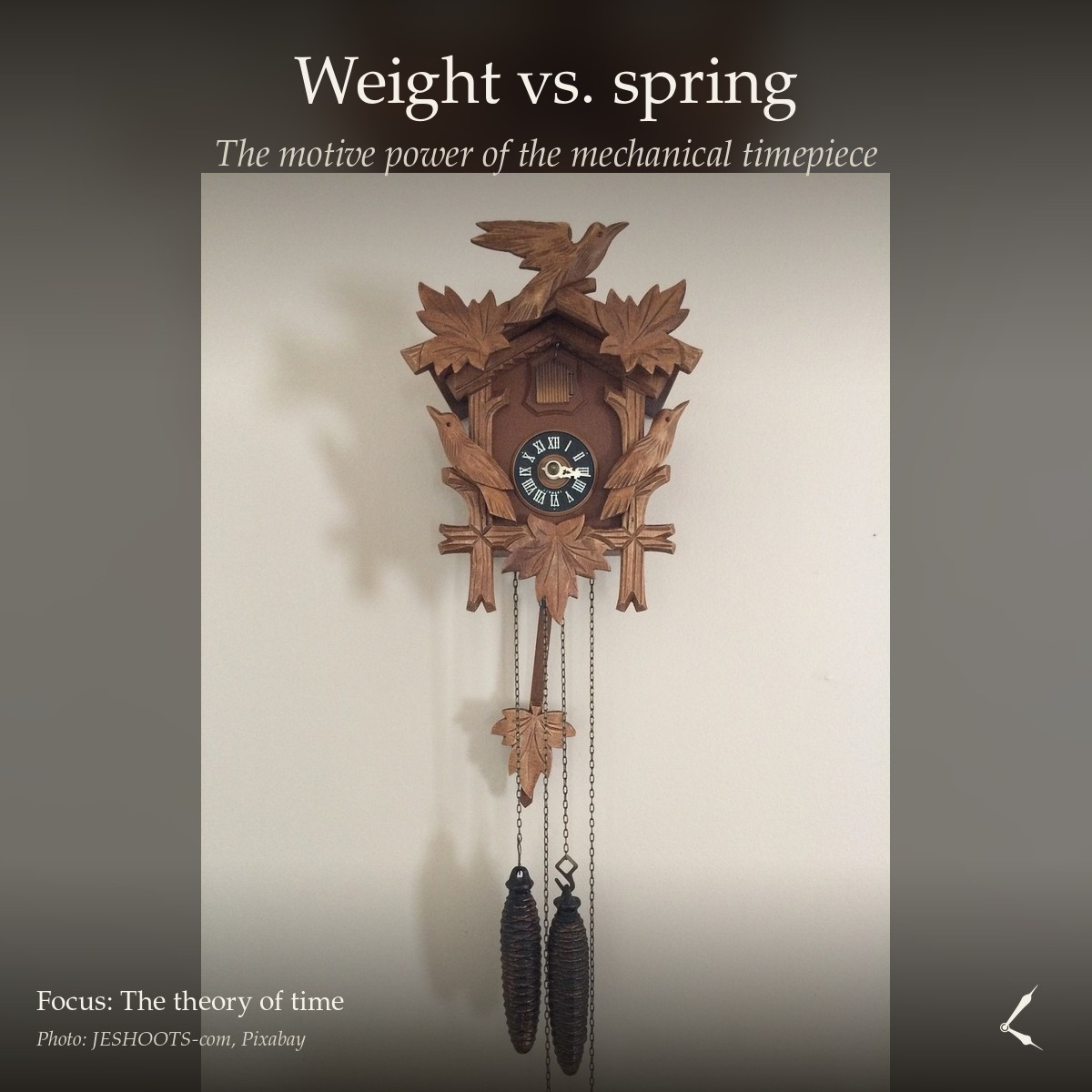
Weight vs. spring: the heart of the movement and the eternal struggle for even force
—
von
by
par
por
di
Every mechanical timepiece begins with its motive power. Weight drive delivers constant force but ties the clock to one place; the mainspring made timepieces portable but delivers uneven force. This article shows how the stop work, ratchet and click and above all the fusee tackle the problem.
-
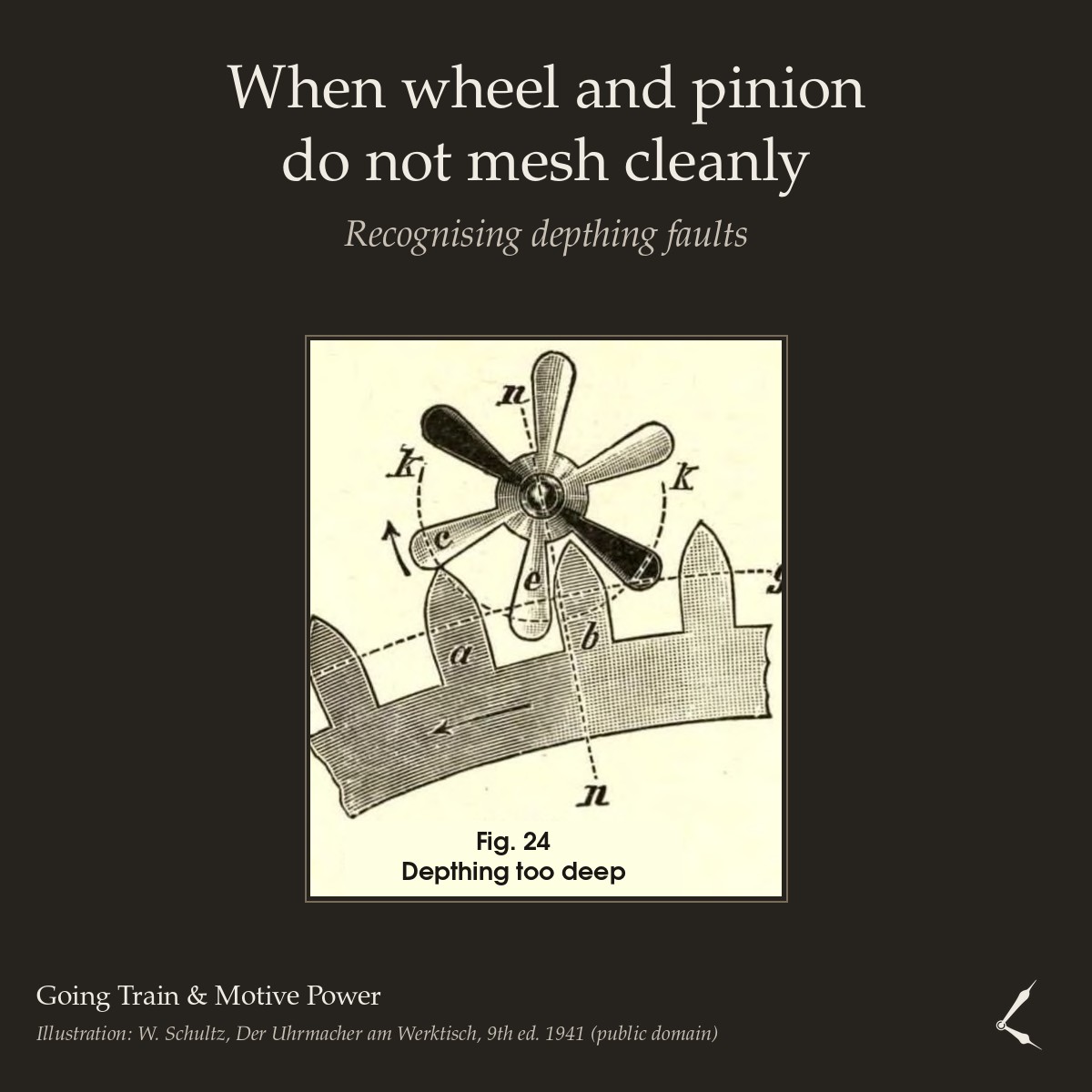
When wheel and pinion do not mesh cleanly: recognising depthing faults
—
von
by
par
por
di
Before the function of the escapement is checked, it is worth taking a close look at the going train. If even one depthing between wheel and pinion is faulty, a loss of power in the going train can wrongly be attributed to the escapement.
-
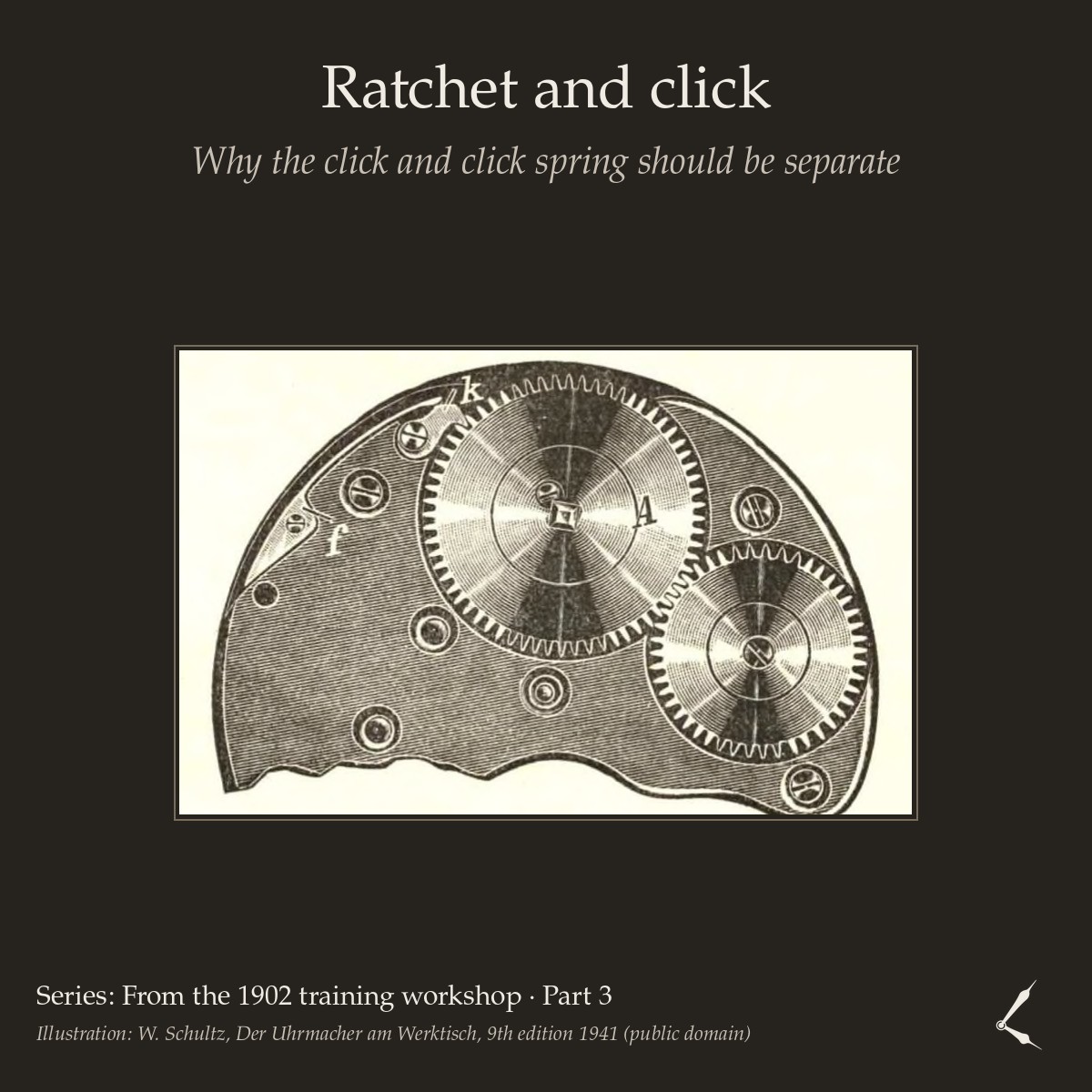
Ratchet and click: why the click and click spring should be separate
—
von
by
par
por
di
The ratchet and click is one of the simplest parts of a pocket watch, and for that very reason it is often neglected. Wilhelm Schultz used a case from the 1880s to show the damage a badly designed click can do.
-
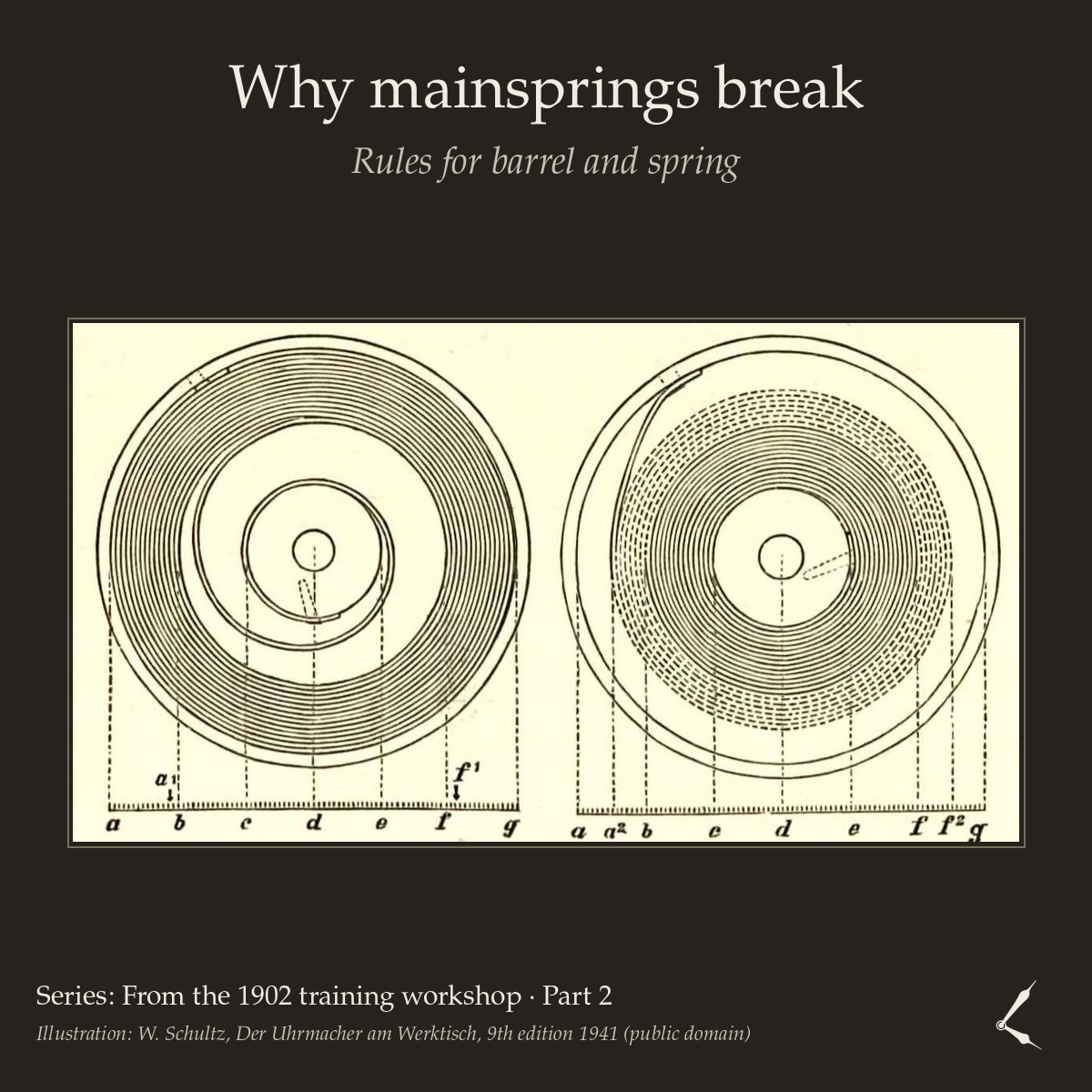
Why mainsprings break: Schultz’s rules for barrel and spring
—
von
by
par
por
di
A mainspring rarely breaks without a reason. Wilhelm Schultz named the most common faults in fitting and calculated how much spring belongs in a barrel – with a rule of thumb you can still check today.
